
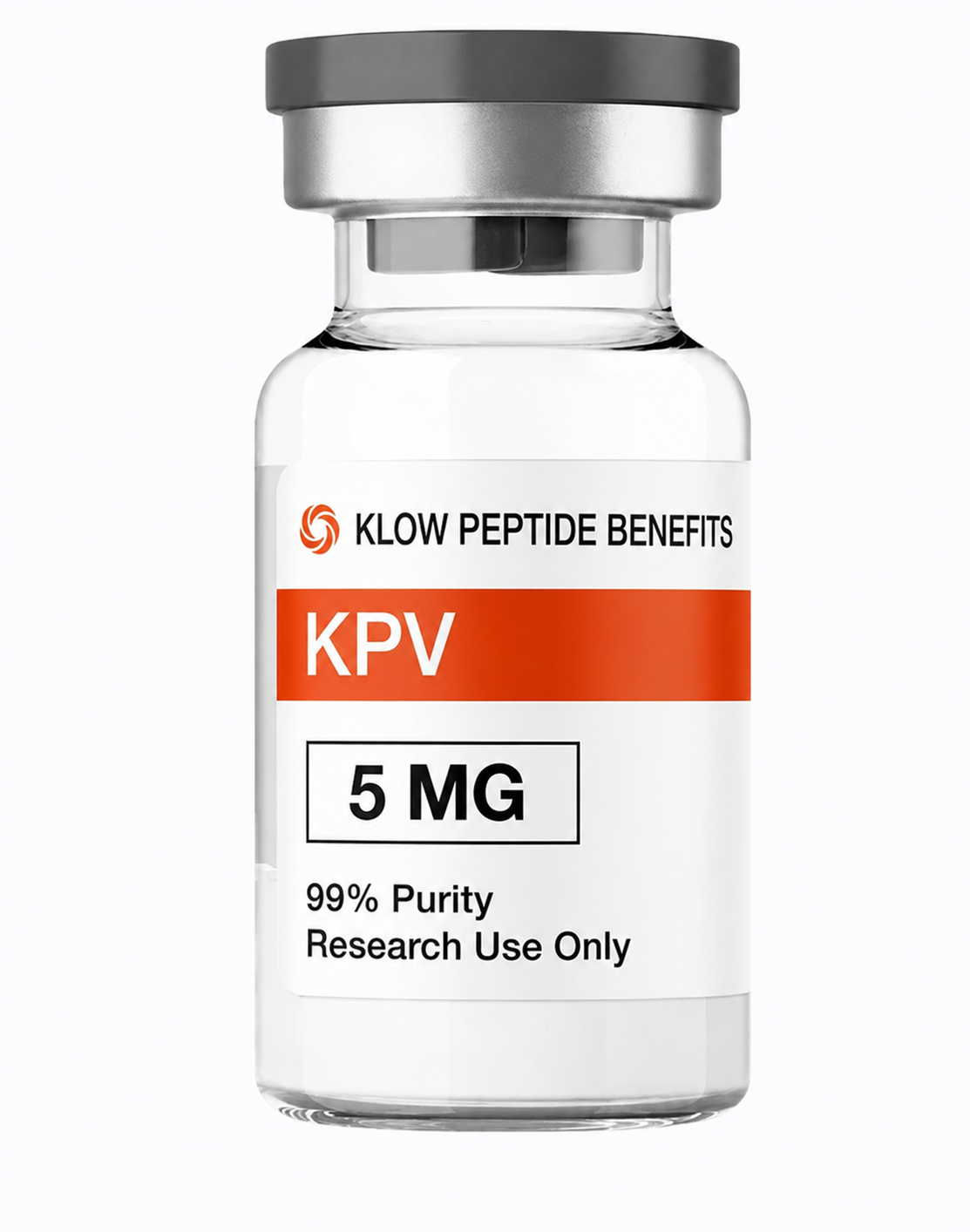

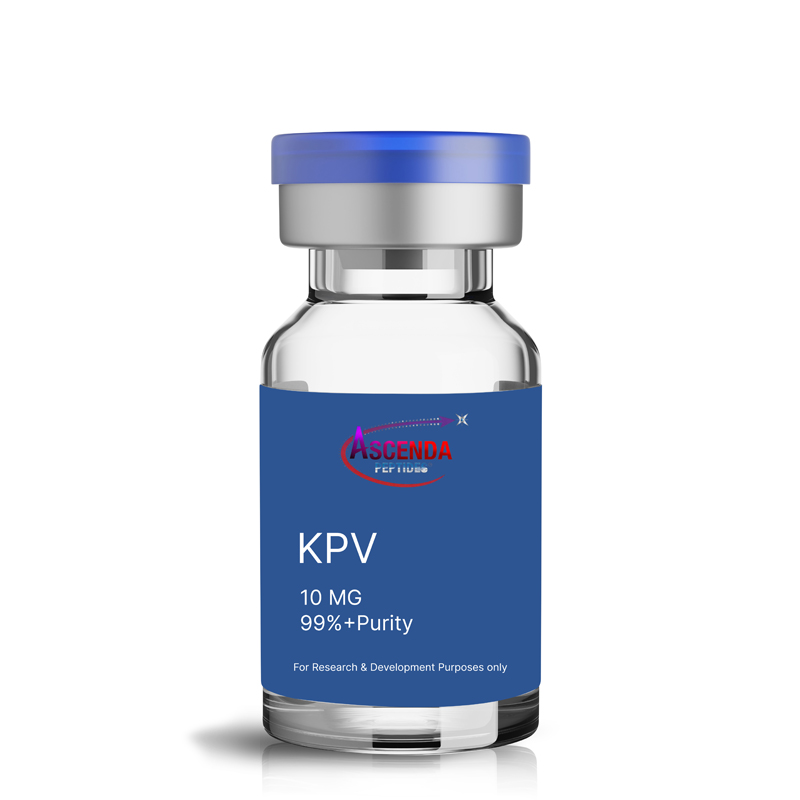


KPV, kpv peptide canada, kpv peptid
$50.00
KPV is a short synthetic tripeptide consisting of three amino acids: lysine, proline, and valine. This corresponds to amino acids 11-13 at the C-terminal of alpha-melanocyte-stimulating hormone (α-MSH). KPV shows anti-inflammatory properties similar to α-MSH but lacks pigment-producing activity, prompting researchers to investigate.
KPV PEPTIDE: AN EVIDENCE-BASED GUIDE TO Its BENEFITS, USES, RESEARCH AND SAFETY
If you have been searching for what is kpv peptide, KPV is a short synthetic tripeptide made up of three amino acids: lysine, proline, and valine. It corresponds to amino acids 11–13 at the C-terminal end of alpha-melanocyte-stimulating hormone, commonly known as α-MSH. Researchers have investigated KPV because it appears to retain some of the anti-inflammatory properties associated with α-MSH without producing the same pigment-producing activity. kpv peptide side effects, kpv peptide uk
KPV has received attention in peptide research because laboratory and animal studies have investigated its potential role in inflammatory signaling. Research has focused on NF-κB, inflammatory cytokines, immune cell activity, intestinal inflammation, and epithelial responses. However, a clear distinction must be drawn between preclinical research and proven human medical treatment. kpv peptide uk
The existing research does not support presenting KPV as a proven treatment for inflammation, gastrointestinal illness, wound healing, or other medical disorders. In their 2026 evaluation materials, the FDA said that it could not find any clinical studies proving the use of KPV in humans for the suggested applications of wound healing and inflammatory disorders. kpv peptide uk
What Is KPV?
The basic answer to what is kpv is that KPV is a tripeptide consisting of the amino acids lysine-proline-valine. It represents the C-terminal portion of α-MSH and is commonly referred to scientifically as α-MSH (11–13). kpv peptide uk
KPV does not produce as much pigment as the whole α-MSH molecule. Researchers got intrigued by the idea that the smaller peptide may have beneficial anti-inflammatory characteristics while avoiding melanotropic effects. Research reviews highlight KPV as a good experimental peptide for studying inflammatory signaling. kpv peptide uk
The term kpv therefore refers to a unique three-amino-acid sequence rather than a large class of peptides. Understanding this helps to distinguish KPV from other chemicals that may be sold online under similar names.
KPV research has included cell studies, animal models, and laboratory experiments. This research has shown fascinating results, notably regarding inflammatory pathways. However, the data available in people is far more restricted.
What Does KPV Peptide Do?
The question what does kpv peptide do is one of the most common reasons people search for information about this compound.
According to research, KPV may alter a variety of inflammatory signaling systems. Research suggests that NF-κB signaling, inflammatory cytokines, immune-cell migration, and other inflammation-related mechanisms are all affected.
One hypothesized approach includes regulating inflammatory signals rather than merely inhibiting a single inflammatory chemical. KPV was found to suppress NF-κB activation and inflammatory signaling in intestinal epithelial and immunological cells in lab investigations.
Researchers have also looked at whether KPV can interact with peptide transport mechanisms in intestinal cells. One research discovered that the PepT1 transporter can promote KPV absorption and showed anti-inflammatory benefits in animal types of intestinal inflammation.
It is critical, however, not to interpret these data as a claim that KPV “treats inflammation” in patients. The majority of the data supporting these suggested impacts comes from laboratory or animal studies.
What Is KPV Peptide Used For?
The question what is kpv peptide used for needs careful wording because KPV does not have an established FDA-approved therapeutic indication.
Instead, KPV has been investigated experimentally in a variety of contexts. These include inflammatory signaling, intestinal inflammation, skin-related inflammatory processes, immune responses, and wound-healing research.
One such example is intestinal inflammation. KPV treatment was found to reduce inflammatory changes and improve illness outcomes in mouse models of inflammatory bowel disease. The researchers concluded that the findings supported future investigation of KPV as a valid experimental method.
Other studies have looked at KPV in connection to epithelial inflammation. Research on human bronchial epithelial cells found that KPV decreased inflammatory signaling, including NF-κB activation and chemokine production.
These findings help to explain why KPV continues to be discussed in inflammatory research.
However, research usage differs from approved medicinal use. The FDA’s 2026 review revealed a scarcity of human clinical evidence supporting KPV products for wound healing or inflammatory disorders.
KPV Peptide Benefits and Research Potential
When individuals look for kpv peptide advantages, they are mostly interested in the potential biological effects discovered in experimental studies.
Inflammation is the most prominent topic of interest. KPV-related research has shown impacts on inflammatory signaling and immunological responses in a variety of laboratory and animal settings. Reviews have discussed possible uses for inflammatory skin problems, intestinal inflammation, allergic airway inflammation, and other inflammatory processes.
Inflammation Research
KPV has been investigated for its ability to reduce inflammatory signaling. Some studies suggest that it can influence NF-κB-related pathways and reduce production or signaling of inflammatory mediators.
Intestinal Research
KPV has also been studied in experimental models of intestinal inflammation. Animal studies have reported reductions in inflammatory markers and improvements in certain measures of experimentally induced colitis.
Skin and Barrier Research
Because α-MSH-related peptides are involved in skin and immune biology, researchers have investigated KPV in relation to inflammatory skin processes and epithelial responses. These findings remain primarily experimental rather than established clinical treatment evidence.
Immune-System Research
KPV has been investigated for its influence on immune-cell behavior and inflammatory signaling. Earlier research into α-MSH-related peptides suggests that these compounds may influence cytokine production, immune-cell activity, and inflammatory responses.
The important takeaway is that these are research findings and potential applications, not guarantees of benefits in humans.
KPV Dosage and Administration
Searches for kpv peptide dosage and kpv dosage are common online, but there is currently no established FDA-approved human dosing schedule for KPV.
This difference is important because dosages published in experimental investigations should not be immediately translated into directions for personal usage. Specific animal models, laboratory circumstances, delivery methods, and experimental aims that may not immediately transfer to human therapy are all possible components of research procedures.
The FDA’s 2026 briefing papers expressly stated that they did not find any clinical research proving KPV usage in people for the suggested indications of wound healing and inflammatory disorders.
As a result, this website should not display an internet-derived KPV dosage as if it were a medically valid prescription.
For a research-oriented website, the more accurate approach is to explain how KPV has been studied, what researchers have observed, and where the evidence remains incomplete.
This is also why readers should be cautious with websites offering precise dosing instructions for experimental peptide products. A numerical dose alone cannot establish safety, purity, sterility, pharmacokinetics, or clinical effectiveness.
KPV Capsules and Other Forms
Search interest also includes kpv peptide capsules and oral formulations.
Researchers have explored oral or intestinal KPV exposure, including research on PepT1-mediated absorption and experimental intestinal inflammation. One study found that PepT1 could transport KPV and had anti-inflammatory effects in cell and animal models.
However, research into oral administration does not show that commercially available KPV capsules are clinically efficacious or licensed for treating inflammation.
The same concept applies to different formulations. A product’s form—capsule, powder, solution, or other preparation—does not guaranty its safety or effectiveness.
Consumers value the quality and regulatory status of a product as much as the name on the label.
Is KPV Safe?
When discussing an experimental peptide, one of the most crucial questions to ask is about safety.
The current evidence does not give sufficient human clinical data to classify KPV as universally safe or to provide a thorough human safety profile. The FDA’s 2026 study clearly stated that it did not discover evidence of KPV use in people for the indicated wound-healing and inflammatory purposes.
This is not to say that every exposure to KPV is inevitably hazardous. Rather, it indicates that there is insufficient high-quality human evidence to support strong safety claims. kpv peptide side effects
Laboratory and animal studies can help researchers better understand biological activity, but they cannot entirely anticipate how an experimental substance will behave in people.
Anyone considering an experimental peptide for personal use should therefore speak with a qualified healthcare professional rather than relying on online product descriptions or dosing guides.
KPV and Inflammation: Why Researchers Are Interested
KPV is interesting because it comes from α-MSH, a peptide with immunomodulatory and anti-inflammatory properties.
Researchers studied how α-MSH-related peptides affect inflammatory pathways, including NF-κB, cytokine generation, immune-cell migration, and cellular responses. KPV retains anti-inflammatory properties but lacks pigmentary effects found in the full α-MSH molecule.
In one study, KPV reduced inflammatory responses in experimental models of peritonitis, while another showed efficacy in experimental colitis models.
This is why KPV is sometimes described online as one of the best peptides for inflammation. However, that phrase should be interpreted as a search term rather than an established medical conclusion.
There is currently no strong human clinical evidence allowing KPV to be ranked as the “best” peptide for treating inflammatory disease.
KPV Research: What the Evidence Actually Shows
A useful way to understand KPV is to separate the evidence into three levels.
Laboratory Evidence
Cell studies have demonstrated that KPV can influence inflammatory signaling pathways. Research has reported reductions in NF-κB activity and inflammatory mediator production in specific experimental systems.
Animal Evidence
Animal models have produced interesting findings involving intestinal inflammation, peritonitis, and other inflammatory conditions. These studies provide a scientific basis for further investigation.
Human Evidence
This is where the evidence is much weaker. The FDA’s 2026 review reported that it did not identify human clinical studies supporting KPV use for the nominated wound-healing and inflammatory indications.
This distinction makes the page much more credible than a typical peptide marketing article.
KPV Peptides and Product Quality
The phrase kpv peptides can refer to KPV-related research materials or products marketed online. Readers should understand that the name alone does not establish product identity or quality.
For an experimental peptide, important considerations can include identity testing, purity, manufacturing controls, storage conditions, contamination risk, labeling accuracy, and applicable regulations.
A product marketed as “high purity” should not automatically be assumed to be suitable for human administration.
This is particularly important when websites make claims about medical benefits that have not been established in human clinical trials.
KPV Australia and Online Availability
People searching kpv peptide Australia are often trying to understand whether KPV can legally or practically be obtained in Australia.
Availability and regulatory status can change, and products marketed online may not have the same regulatory standing as approved medicines. Australian consumers should verify the current status with the relevant Australian regulatory authorities rather than relying on an online seller’s description.
Likewise, the search phrase buy kpv peptide does not mean that a product is approved for human use.
For an informational product page, it is better to explain the regulatory and research status than to make unsupported claims about availability or suitability for personal treatment.
Pure Bio Labs KPV 10mg Vial
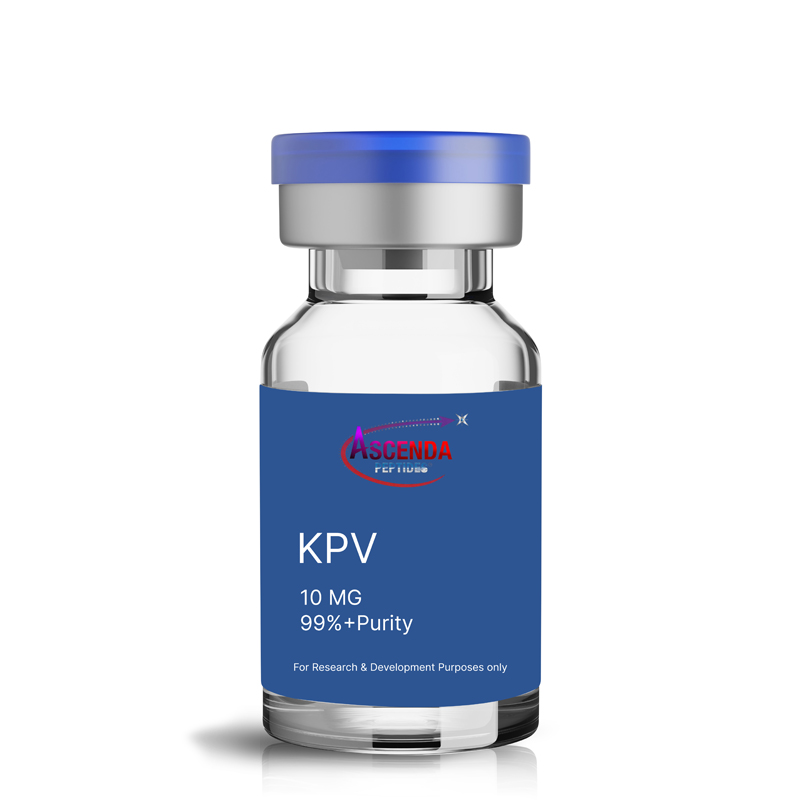
The phrase pure bio labs kpv 10mg vial is a branded/product-specific search query. If a product is listed under this name, readers should verify the actual manufacturer, product documentation, labeling, testing information, and intended use rather than assuming that the product’s name establishes its quality.
A 10 mg label describes the stated amount of material in a vial; it does not establish a medically appropriate dose. kpv peptide uk
This is an important distinction for anyone comparing experimental peptide products online.
Pros and Cons of KPV Research
Potential Research Advantages
KPV is a very small peptide with a well-defined amino-acid sequence. Its connection to α-MSH gives researchers a useful starting point for investigating inflammation and immune regulation. kpv peptide uk
Laboratory studies have identified potentially interesting effects involving inflammatory signaling, while animal models have produced promising findings in intestinal inflammation and other experimental conditions.
Important Limitations
The largest limitation is the lack of robust human clinical evidence for the proposed therapeutic uses.
KPV should therefore not be presented as a proven treatment for inflammatory disease, bowel disease, wounds, or other medical conditions.
There is also uncertainty regarding its precise molecular targets. The FDA’s 2026 briefing document states that KPV’s molecular targets are unknown, although proposed mechanisms include inhibition of NF-κB activation and effects on inflammatory cytokine pathways. kpv peptide side effects, kpv peptide uk
Frequently Asked Questions About KPV
What is KPV peptide?
KPV peptide is a synthetic tripeptide consisting of lysine, proline, and valine. It corresponds to amino acids 11–13 of α-MSH and has been investigated for potential anti-inflammatory activity.
What does KPV do?
Experimental research suggests that KPV can influence inflammatory signaling, including NF-κB-related pathways and inflammatory mediator production. Much of this evidence comes from laboratory and animal studies.
What is KPV peptide used for?
KPV has been investigated experimentally in inflammation, intestinal inflammation, skin-related inflammatory processes, and wound-healing research. It is not established as an FDA-approved treatment for these conditions. kpv peptide side effects
Is KPV the same as α-MSH?
No. KPV is the C-terminal three-amino-acid sequence of α-MSH. It is much smaller and does not have the same complete molecular structure as α-MSH.
Is KPV an anti-inflammatory drug?
No. Although research has identified anti-inflammatory activity, KPV should not be described as an approved anti-inflammatory drug.
Is KPV FDA approved?
KPV is not an FDA-approved treatment for the inflammatory or wound-healing uses discussed in the current FDA materials. The FDA reported a lack of human clinical evidence for those nominated uses. kpv peptide side effects
KPV Peptide Overview
KPV is an experimental tripeptide consisting of lysine, proline, and valine. It has been investigated primarily for its potential role in inflammatory signaling and related biological processes. This page provides educational information about KPV peptide, including its research background, potential applications, safety considerations, and current evidence. kpv peptide side effects
| Color |
Beige ,Black ,Brown |
|---|
Related products






Reviews
There are no reviews yet.